TRADING & SOURCING PARTNER — NOT A FACTORY
Custom Overmolded Cable Assemblies
Zeakka reviews the connector, cable, molded geometry, material requirements and validation scope, then coordinates suitable factory quotations, samples and production follow-up. We do not manufacture the assemblies ourselves.
- Detailed quotation: typically 1–5 business days after requirements are clear
- Samples: typically 3–7 days after specifications and materials are confirmed; tooling, special materials, connector availability or project-specific testing can take longer
- Free samples: may be available for a qualified custom project and are confirmed in the quotation
Assembly reference
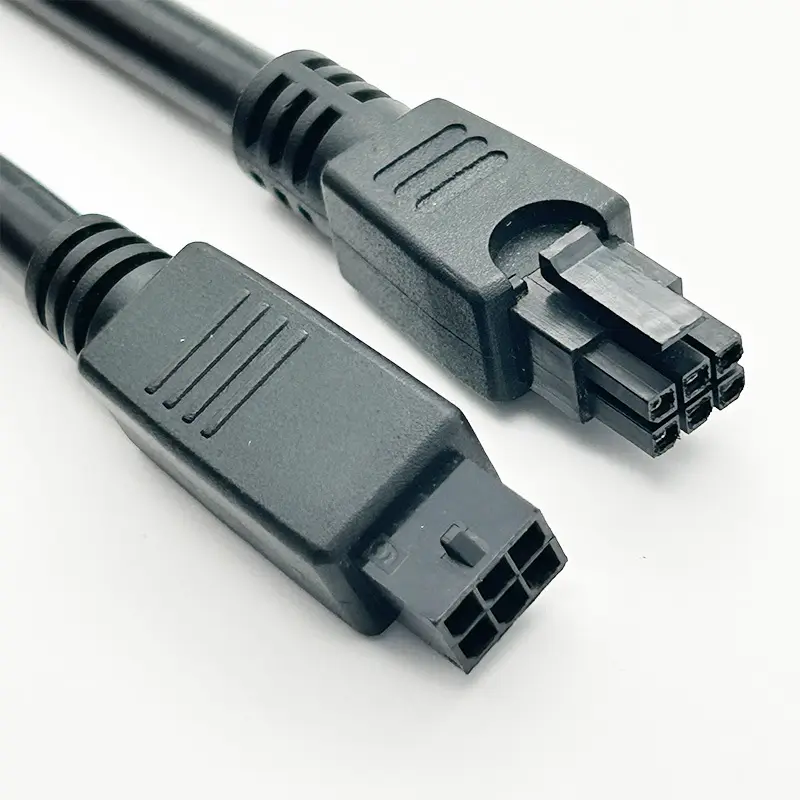
Overmolded connector to prepared wire ends
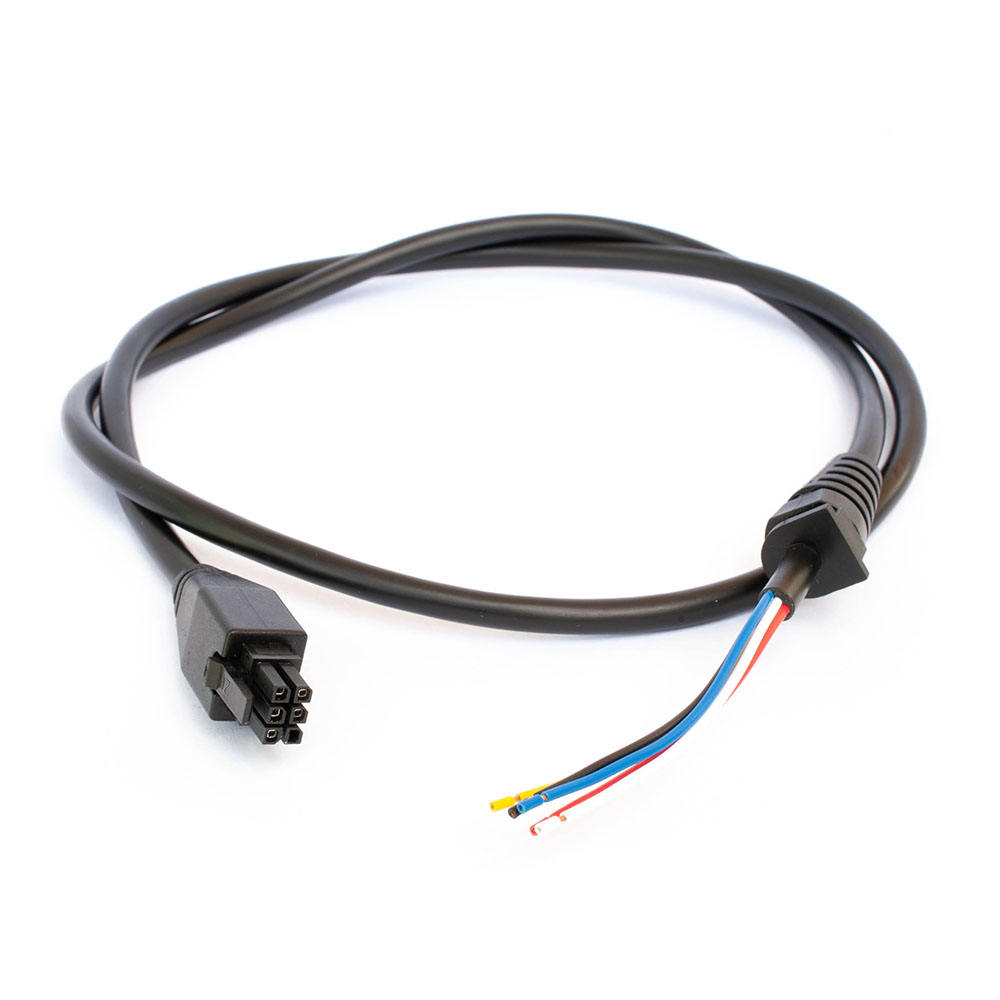
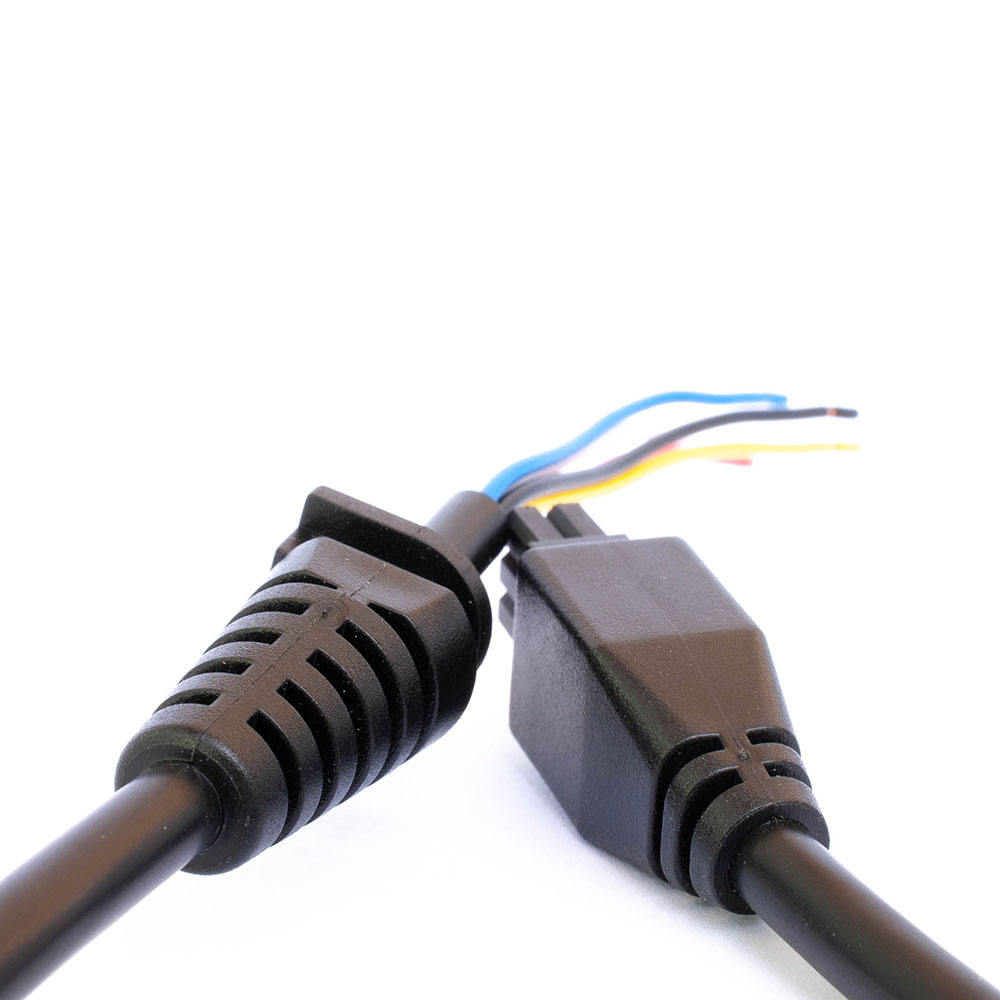
This single-ended jacketed cable illustrates a molded connector end and a separate molded cable breakout. Use the reference to discuss the connector interface, exit shape and wire-end preparation for your equipment.
Specify the construction in three parts
- Connection layout
- The reference has one connector and prepared wire ends. Identify the mating part and the destination of each conductor.
- Molded features
- Define the connector envelope, cable exit and breakout shape, including enclosure clearance and access to the latch.
- Cable and end preparation
- Agree the jacketed length, breakout lengths, conductor identification and the preparation required at the free ends.
Construction example from our Micro-Fit cable assembly range. The selected components, dimensions and wiring are confirmed with your quotation. The photographs do not identify the component manufacturer or establish material, sealing or flex-life ratings.
When overmolding is the right process
Use overmolding when the project needs a defined cable exit, molded strain transition, protected termination or application-specific external geometry. It should not be selected only because it looks more robust.
Defined external geometry
Use a drawing or dimensioned sketch to define the molded envelope, cable exit and areas that must remain clear.
Termination protection
State which crimped, soldered or inserted area the molded body must cover.
Measurable environmental target
Describe water, dust, oil, chemicals, temperature, flexing, vibration or pulling as requirements, with the required test method and acceptance criteria. Overmolding alone does not establish an IP rating.
For a static, dry internal connection, a standard housing, boot or heat-shrink solution may be easier to revise. The quoted process should follow the application.
What to send for a comparable quotation
The same input scope helps factories quote the same requirement and makes differences easier to review.
Interface
- Connector and mating reference
- Pinout and termination method
- Mating zone and keep-out areas
Cable and molded body
- Cable construction, jacket, outside diameter and tolerance
- Finished length, tolerance and cable exit angle
- Molded envelope, drawing, dimensioned sketch or sample
Project scope
- Material family or grade, or the performance requirements to be reviewed
- Hardness or handling target, color and marking
- Environment, tests, documents, tooling ownership, revision, quantities and delivery destination
A complete 3D model is helpful when the exterior shape is critical, but review can begin with a 2D drawing, sample photo or dimensioned sketch.
Use a worksheet when it helps define the request
These tools are optional. Send the information you already have; a completed workbook is not required for an inquiry.
Overmold design inputs
Record the cable, molded envelope, exit direction and reserved mating space before tooling review.
How Zeakka coordinates the sourcing path
Zeakka is the commercial and sourcing partner between your requirement and suitable factories.
- 1
Clarify the interfaces
Review the connector and mating zone, pinout, cable outside diameter and tolerance, molded geometry and missing specifications.
- 2
Compare suitable factory scopes
Compare included tooling, quoted material grade, inner or outer molding approach, tests, sample and production assumptions, and exclusions.
- 3
Coordinate samples and revisions
Confirm the drawing revision, sample quantity, cost, timing and validation plan before tooling or sampling starts.
- 4
Follow the confirmed order scope
Coordinate production questions and the agreed inspection, packing and delivery details.
Material selection starts with requirements, not a generic material name
PVC, TPU, TPE and silicone are broad material families, not performance guarantees. We will review the proposed grade with the selected factory against your cable jacket, required hardness, processing conditions, temperature, chemical exposure, color and documentation requirements.
Cable-jacket material and outside diameter
Affect fit, mold design and material compatibility
Hardness and flexibility target
Define the required handling and strain transition
Temperature, chemicals and exposure
Set the documentation and test requirements
Color, marking and surface
Affect tooling and material purchasing
Required declarations or certificates
Must apply to the quoted grade and configuration and be confirmed for the project
Tooling and revision questions to settle before sampling
Tooling price and timing are quoted for the selected geometry and factory. There is no universal tooling price or lead time.
- Can an existing mold be used, or is new tooling or an insert required?
- Which geometry and tolerances are included?
- Is an inner mold needed, and why?
- Who owns and stores the tooling, and how are revisions handled?
- How do cavity count and project quantities affect the scope?
- Which sample approval criteria apply before production?
Validation agreed for the actual assembly
Optional tests require a stated method, product condition, sampling level and pass/fail criterion. A result for one configuration does not automatically apply after connector, cable, material or tooling changes.
Every assembly
- • Continuity test
- • Short-circuit test
Sampled and project-defined
- • Pull-force testing with the agreed sampling plan and criterion
Only when agreed
- • Dimensions and visual criteria
- • Hi-pot or insulation checks
- • Sealing, IP or leak, flex, temperature, chemical or functional tests and reports
Commercial starting points
Detailed quotation
Typically 1–5 business days after the drawing and requirements are clear.
Sample timing
Typically 3–7 days after specifications and materials are confirmed. New tooling, special materials, connector availability or project-specific testing can require longer; timing is confirmed in the quotation.
Qualified-project samples
Free samples may be available for a qualified custom project. Sample cost, quantity, specification and timing are confirmed in the project quotation.
Project-specific MOQ
MOQ depends on the connector, cable, mold, material purchase, process and test scope and is confirmed per quotation.
Overmolding design and process guides
Use the guides for design and process detail, then return with the project information available today.
Custom overmolded cable assembly FAQ
Is Zeakka the overmolding factory?
No. Zeakka is a trading and sourcing partner. We review requirements, match suitable factories, compare quotation scope and coordinate the agreed project steps.
Can review start without a 3D drawing?
Yes. Send the connector and mating information, pinout, cable outside diameter, a sketch, photo or sample, quantity, application and test requirements. We will flag missing items before a firm quotation or tooling decision.
Does overmolding mean IP67 or IP68?
No. An IP or sealing requirement must identify the actual assembly configuration, test method, condition and acceptance criterion. No rating is assumed from overmolding alone.
Which overmold material should I choose?
Tell us about your cable jacket, hardness and handling needs, operating temperature, chemical exposure, color and documentation requirements. We will review material options with the selected factory and explain the proposed grade and any checks needed for your application.
Are free samples available?
Free samples may be available for a qualified custom project. Sample cost, quantity, specification and timing are confirmed in the project quotation.
How long do quotation and samples take?
A detailed quotation typically takes 1–5 business days after requirements are clear. Samples are typically prepared in 3–7 days after specifications and materials are confirmed; new tooling, special materials, connector availability or project-specific testing can require longer, so timing is confirmed in the quotation.
How are MOQ and tooling cost confirmed?
MOQ and tooling cost depend on the connector, cable, geometry, material purchase, selected factory, process and test scope. We will confirm both in your project quotation.
Who approves the final design?
You approve the final drawing, substitutions, test scope and suitability for your application. We coordinate the commercial and sourcing steps with you and the selected factory, which manufactures and tests the confirmed configuration to the agreed scope.
Send the overmold requirement you have
Attach the drawing, sketch, sample photos or connector and cable details available today. We will identify missing inputs and coordinate the next quotation step.