
JST-GH Cable Assembly Sourcing Guide for Engineers
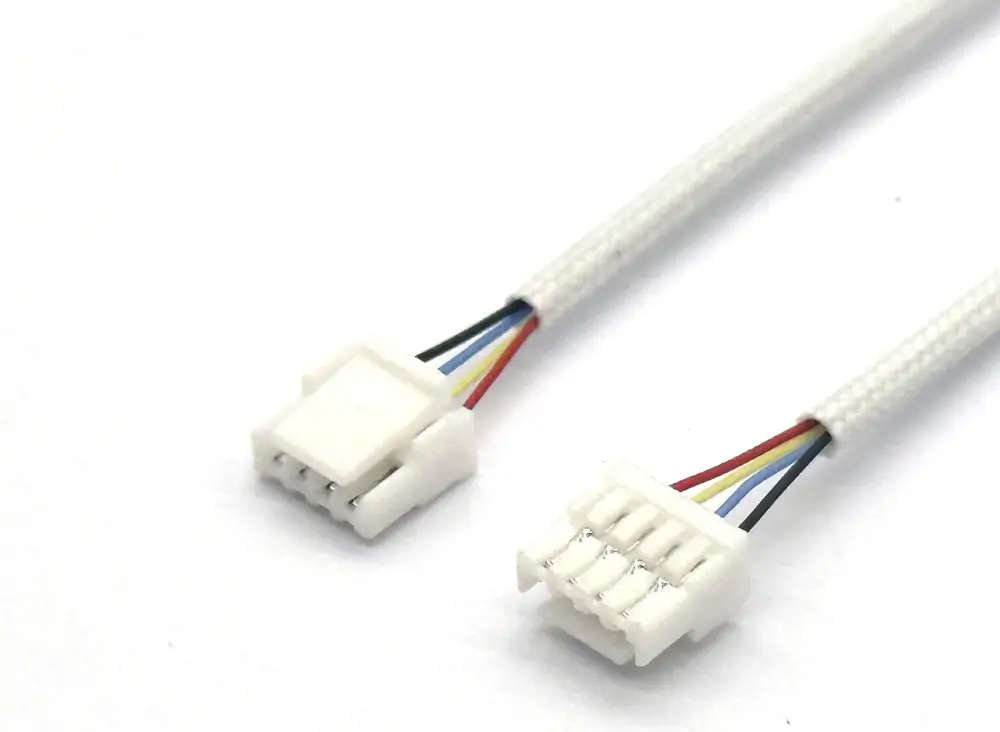
Table of Contents
Start with the exact component definition
“JST-GH cable” can describe an assembly made with original JST components or an assembly based on an unbranded compatible alternative. These are not the same commercial offer. State which option is required in the RFQ, and do not accept a silent substitution.
Zeakka’s standard offer is an unbranded compatible alternative, not original JST. Brand names and part references are used to identify the requested interface. Compatibility should be checked against drawings and validated with samples in the customer’s application.
Official JST-GH reference specifications
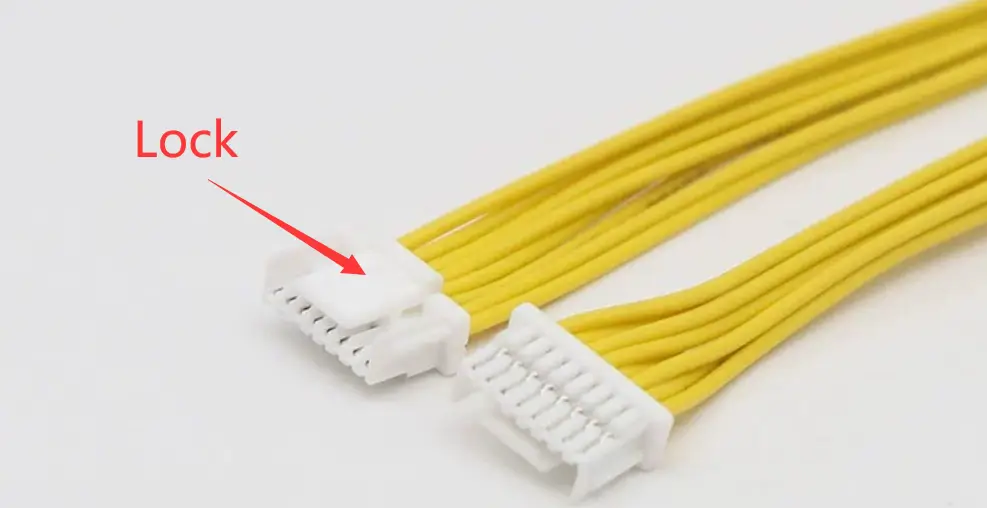
According to the official JST GH product page, the original GH series is a 1.25 mm-pitch, single-row, wire-to-board crimp connector with a secure lock. JST lists these representative specifications:
| Item | Original JST GH reference |
|---|---|
| Pitch | 1.25 mm |
| Circuits | 2–15 |
| Current rating | 1 A AC/DC using AWG 26 |
| Voltage rating | 50 V AC/DC |
| Conductor size | AWG 30, 28, or 26; 0.05–0.13 mm² |
| Insulation OD | 0.76–1.00 mm |
| Temperature range | −40°C to +105°C |
These figures describe the original JST GH series and must not be automatically assigned to an unbranded alternative. For an alternative, request the supplier drawing, material information, and applicable test data, then verify the assembled cable in the intended device.
Information needed for a JST-GH cable-assembly RFQ
Housing and mating connector
Provide the housing reference, number of circuits, mating PCB header, and mating direction. For example, a six-circuit housing reference alone does not define the PCB-side header or the cable pinout.
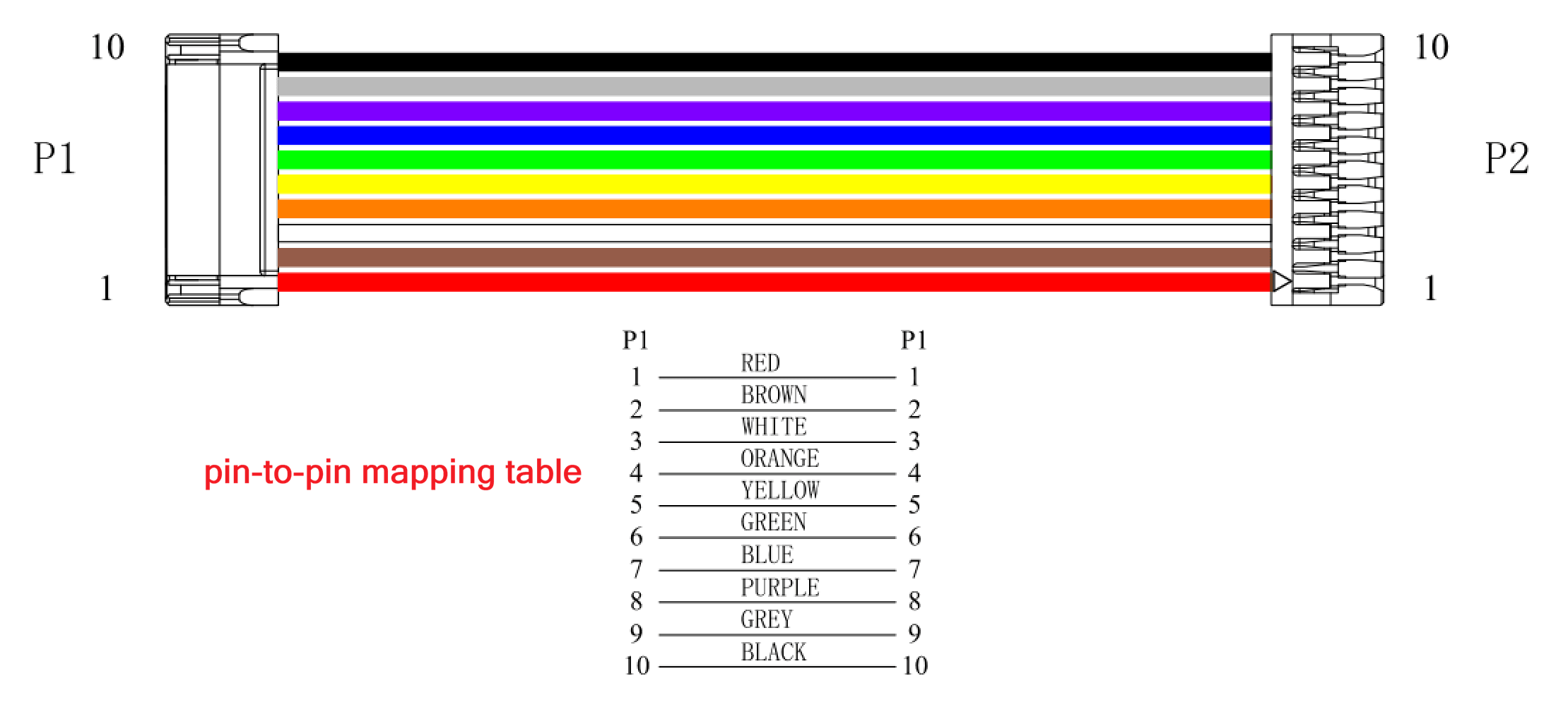
Pin-to-pin mapping
State whether the cable is straight-through, reversed, crossed, branched, or connected to a different series at the other end. A table showing end A pin, wire color, and end B pin is usually clearer than text.
Wire specification
Include AWG, conductor construction, insulation type, insulation OD, color, finished length, tolerance, twisting, shielding, and temperature requirement. Confirm that the selected wire fits the terminal’s conductor and insulation ranges.
Quantity and material choice
State the sample quantity, production quantity, annual forecast, and whether unbranded compatible connectors are acceptable. Typical custom cable-assembly MOQs are 200–1,000 pieces. Connector packaging quantities or special wire purchases can affect the final MOQ.
Testing and documentation
Every finished harness coordinated by Zeakka is tested for continuity and short circuits. Pull-force testing is sampled. If you need crimp-height records, cross sections, hi-pot, insulation resistance, material declarations, photos, or a specific report format, include that requirement before quotation.
Original versus compatible: a practical validation plan
Do not approve a compatible alternative from a family name or appearance alone. Review the points that matter to the application:
- housing and header dimensions;
- keying and latch engagement;
- terminal geometry and retention;
- wire range and insulation OD;
- contact material and plating information;
- mating and unmating behavior;
- current, voltage, temperature, and environmental requirements;
- PCB fit where the alternative includes the board-side connector;
- sample assembly electrical and mechanical results;
- device-level validation by the customer.
Zeakka does not describe an alternative as an automatic drop-in replacement or guarantee identical performance without supporting evidence. A successful sample in the customer’s actual mating interface is more useful than a generic compatibility claim.
Crimp and assembly checks
For a small 1.25 mm connector, details that appear minor can cause intermittent faults or assembly difficulty. The selected factory should control:
- correct terminal and applicator selection;
- conductor and insulation strip length;
- conductor position and insulation support;
- terminal seating and locking in the housing;
- wire order and housing orientation;
- pull-force sampling;
- 100% continuity and short-circuit testing after assembly.
The exact inspection plan depends on the chosen terminal, wire, quantity, and customer requirements. Zeakka coordinates the agreed checks with the selected factory rather than claiming that all factories use the same equipment or records.
How Zeakka sources the project
- We review the drawing, written description, quantity, and required certifications.
- We identify missing specifications and confirm whether an unbranded compatible option is acceptable.
- We select factories suited to the connector size, wire process, quantity, and testing requirements.
- We compare quotations and explain material, MOQ, and timing differences.
- We coordinate samples and revisions for customer validation.
- We follow production, agreed inspection, packing, shipping, and after-sales issues.
Detailed quotations typically take 1–5 business days after the specification is clear. Typical cable-harness samples are prepared in 3–7 days after materials are confirmed; special components or processes may require longer.
Frequently asked questions
Does Zeakka sell original JST-GH connectors?
No. Zeakka’s standard products use unbranded compatible alternatives. We clearly distinguish them from original JST products.
Can different wire gauges be used in one housing?
Potentially, if each selected wire fits the applicable terminal and insulation ranges and the electrical design is valid. The drawing should identify the wire used at each circuit.
Are free samples available?
Free samples are available in qualifying cases. Tooling, special wire, original branded material, or international freight may still be chargeable. Confirm this during quotation.
Is every cable tested?
Every finished harness is tested for continuity and short circuits. Pull force is sampled. Additional tests are agreed by project.
Submit a JST-GH cable RFQ
Send the housing and mating references, pinout, wire specification, length, quantity, and required tests through the Zeakka contact page. If you do not yet have a drawing, a clear written pin-to-pin description can be used to start the review.
JST is a trademark of its respective owner. Zeakka is not affiliated with or authorized by JST.
Share this article
Help others discover this content